Empowering Individuals in the Global Community Through Entrepreneurship

Where We Work : Asia

Previous Area  :  Next Area ⇒  |  Back to Map

Thailand

Loading Photo-Story
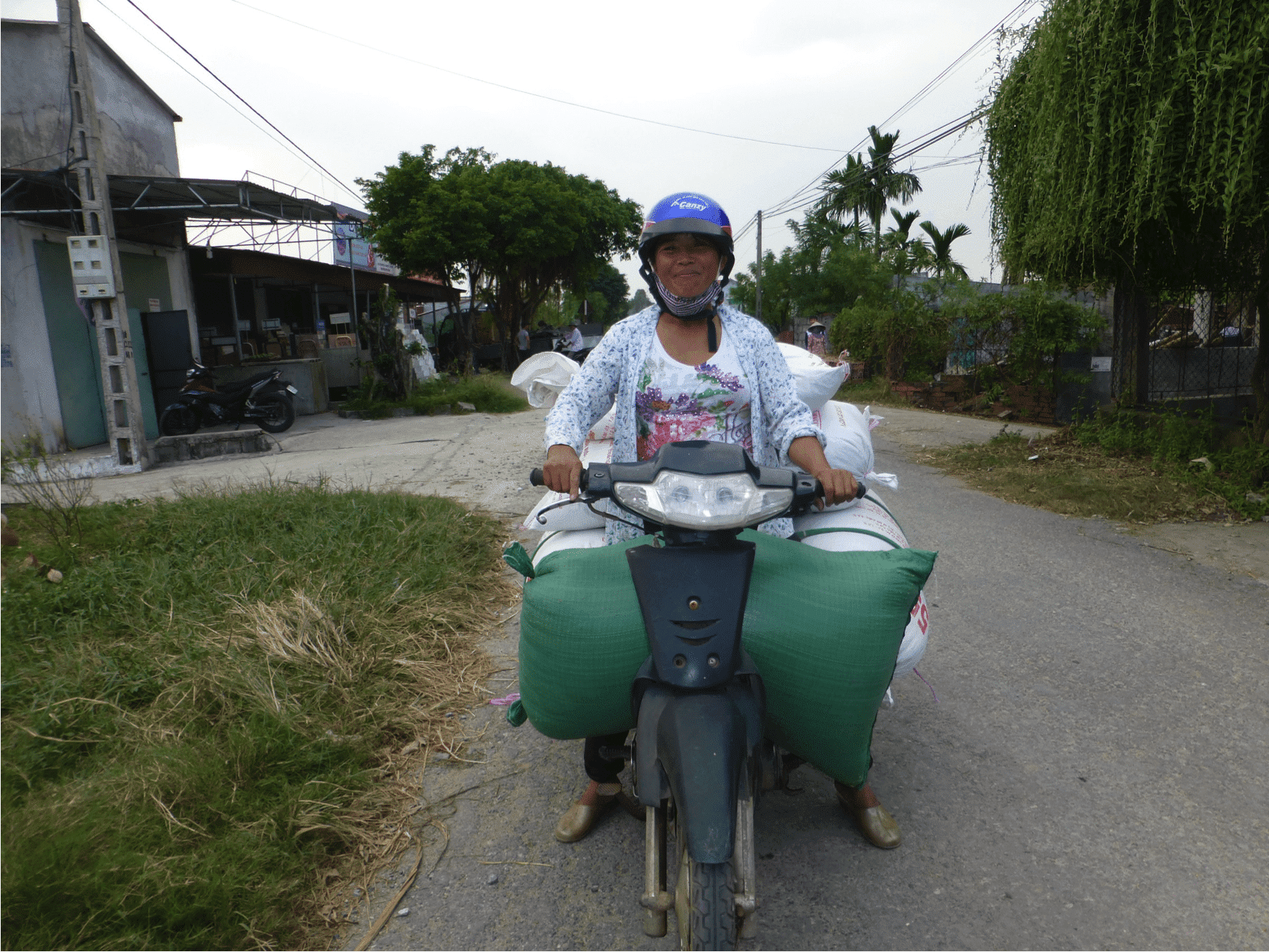
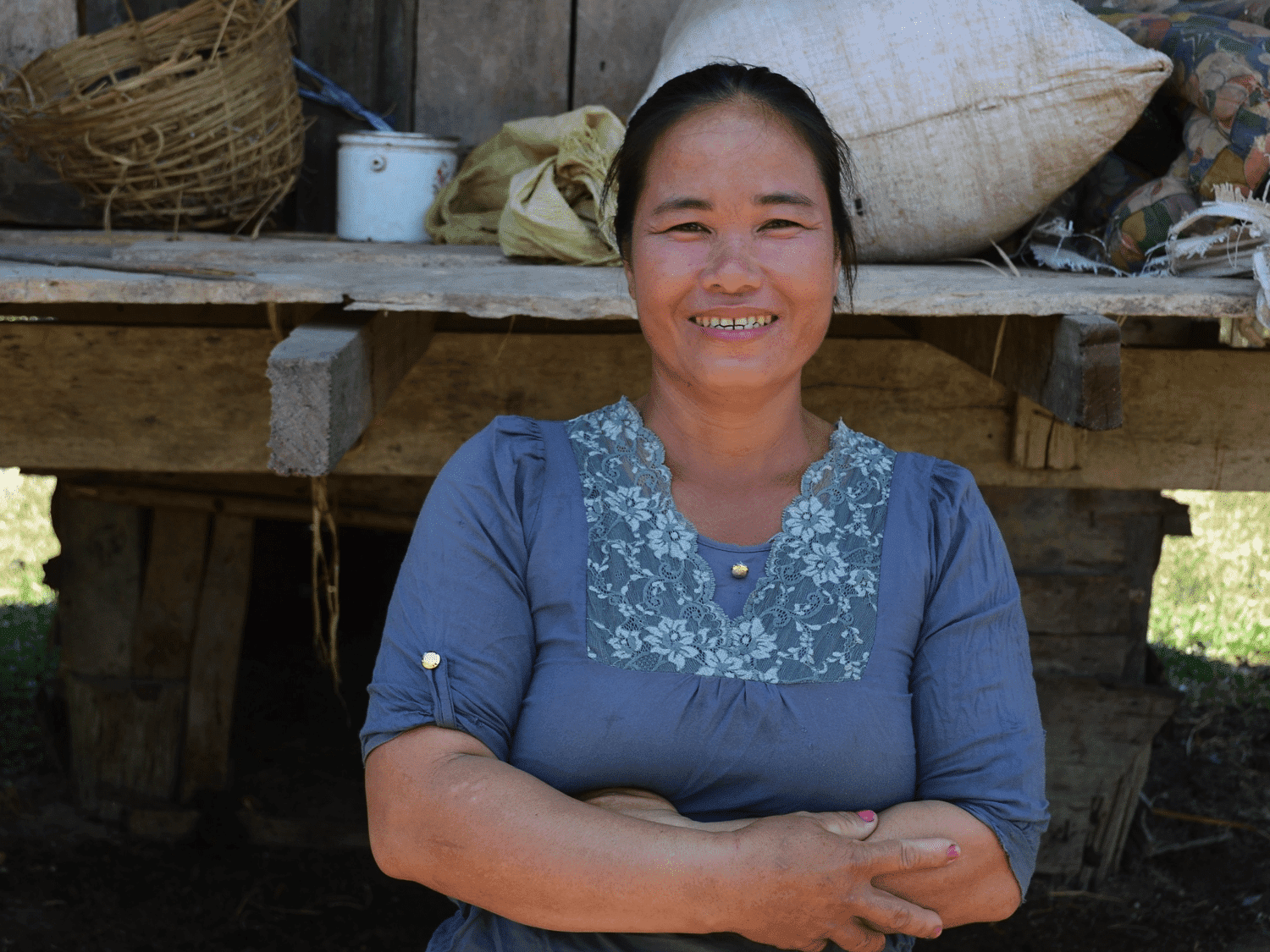
Whole Planet Foundation funds microcredit in Thailand where Whole Foods Market sources rice Boonlam used her loan to start a noodle making business Some of Boonlam's beautiful noodles

Whole Planet Foundation is partnering with Small Enterprise Development in the Surin region of northeastern Thailand where Whole Foods Market sources rice through Alter Eco. Whole Planet Foundation is providing Small Enterprise Development with a $562,500, 0% interest loan, to be disbursed over 3 years providing 2,097 women with access to microcredit in the rice producing region of Surin. Small Enterprise Development’s vision is to alleviate poverty in low-income and poor families of Thailand and empower women through a sustainable povertyfocused lending program. Learn more about our implementing partners around the globe. 

Country Information
Thailand is in southeastern Asia, bordering the Andaman Sea and the Gulf of Thailand, southeast of Burma. A unified Thai kingdom was established in the mid-14th century though it was known as Siam until 1939. It is slightly more than twice the size of Wyoming and has a population of 65,905,410. Whole Planet Foundation, through implementing partner Small Enterprise Development, provides access to microcredit  in the Surin region of Thailand, empowering impoverished individuals to create or expand small home based businesses to build a better life for themselves and their families. See their stories and witness the power of microcredit.


For more resources see the President's page and Root Causes of Poverty

Recipes

Thai Green Curry Chicken with Rice Noodles

Serves 4

Green curry paste and coconut milk make a flavorful base for this curry featuring chicken, green beans and basil. This recipe was inspired by Whole Planet Foundation microcredit clients.
 
Ingredients
 
2 tablespoons expeller-pressed canola oil
2 tablespoons prepared green curry paste
1 (14-ounce) can light coconut milk, divided
1 pound boneless, skinless chicken breast, cut into bite-sized pieces
3/4 pound green beans, trimmed and cut into 1-inch pieces
8 ounces pad-thai or stir-fry rice noodles
2 tablespoons fish sauce
1 tablespoon sugar
1/2 cup fresh basil leaves
1 red chile pepper, thinly sliced (optional)
 

Method
 
Heat oil in a large high-sided skillet over medium-high heat until hot but not smoking. Add curry paste and 1 1/4 cups coconut milk and whisk constantly until smooth. Bring to a boil, stirring to prevent scorching. Add chicken and green beans and return to a boil. Cook about 8 minutes or until chicken is cooked through and green beans are tender, stirring frequently.
 
Meanwhile, prepare rice noodles according to package instructions. Add remaining 1/2 cup coconut milk to skillet and return to a boil. Stir in fish sauce, sugar and basil leaves and remove from heat. Serve over rice noodles, garnished with chiles, if you like.

Nutrition

Per serving: 500 calories (150 from fat), 17g total fat, 6g saturated fat, 65mg cholesterol, 900mg sodium, 60g total carbohydrate (3g dietary fiber, 6g sugar), 28g protein

CIA Factbook

About Thailand

Introduction ::Thailand 
Background: 
A unified Thai kingdom was established in the mid-14th century. Known as Siam until 1939, Thailand is the only Southeast Asian country never to have been taken over by a European power. A bloodless revolution in 1932 led to a constitutional monarchy. In alliance with Japan during World War II, Thailand became a US treaty ally following the conflict. A military coup in September 2006 ousted then Prime Minister THAKSIN Chinnawat. The interim government held elections in December 2007 that saw the former pro-THAKSIN People's Power Party (PPP) emerge at the head of a coalition government. The anti-THAKSIN People's Alliance for Democracy (PAD) in May 2008 began street demonstrations against the new government, eventually occupying the prime minister's office in August. Clashes in October 2008 between PAD protesters blocking parliament and police resulted in the death of at least two people. The PAD occupied Bangkok's international airports briefly, ending their protests in early December 2008 following a court ruling that dissolved the ruling PPP and two other coalition parties for election violations. The Democrat Party then formed a new coalition government with the support of some of THAKSIN's former political allies, and ABHISIT Wetchachiwa became prime minister. Since January 2004, thousands have been killed as separatists in Thailand's southern ethnic Malay-Muslim provinces increased the violence associated with their cause.


Geography ::Thailand 
Location: 
Southeastern Asia, bordering the Andaman Sea and the Gulf of Thailand, southeast of Burma
 
Geographic coordinates: 
15 00 N, 100 00 E
 
Map references: 
Southeast Asia 
 
Area: 
total: 513,120 sq km
country comparison to the world: 50
land: 510,890 sq km
water: 2,230 sq km
 
Area - comparative: 
slightly more than twice the size of Wyoming
 
Land boundaries: 
total: 4,863 km
border countries: Burma 1,800 km, Cambodia 803 km, Laos 1,754 km, Malaysia 506 km
 
Coastline: 
3,219 km
 
Maritime claims: 
territorial sea: 12 nm
exclusive economic zone: 200 nm
continental shelf: 200 m depth or to the depth of exploitation
 
Climate: 
tropical; rainy, warm, cloudy southwest monsoon (mid-May to September); dry, cool northeast monsoon (November to mid-March); southern isthmus always hot and humid
 
Terrain: 
central plain; Khorat Plateau in the east; mountains elsewhere
 
Elevation extremes: 
lowest point: Gulf of Thailand 0 m
highest point: Doi Inthanon 2,576 m
 
Natural resources: 
tin, rubber, natural gas, tungsten, tantalum, timber, lead, fish, gypsum, lignite, fluorite, arable land
 
Land use: 
arable land: 27.54%
permanent crops: 6.93%
other: 65.53% (2005)
 
Irrigated land: 
49,860 sq km (2003)
 
Total renewable water resources: 
409.9 cu km (1999)
 
Freshwater withdrawal (domestic/industrial/agricultural): 
total: 82.75 cu km/yr (2%/2%/95%)
per capita: 1,288 cu m/yr (2000)
 
Natural hazards: 
land subsidence in Bangkok area resulting from the depletion of the water table; droughts
 
Environment - current issues: 
air pollution from vehicle emissions; water pollution from organic and factory wastes; deforestation; soil erosion; wildlife populations threatened by illegal hunting
 
Environment - international agreements: 
party to: Biodiversity, Climate Change, Climate Change-Kyoto Protocol, Desertification, Endangered Species, Hazardous Wastes, Marine Life Conservation, Ozone Layer Protection, Tropical Timber 83, Tropical Timber 94, Wetlands
signed, but not ratified: Law of the Sea
 
Geography - note: 
controls only land route from Asia to Malaysia and Singapore


People ::Thailand 
Population: 
65,905,410
country comparison to the world: 20
note: estimates for this country explicitly take into account the effects of excess mortality due to AIDS; this can result in lower life expectancy, higher infant mortality, higher death rates, lower population growth rates, and changes in the distribution of population by age and sex than would otherwise be expected (July 2009 est.)
 
Age structure: 
0-14 years: 20.8% (male 7,009,845/female 6,691,470)
15-64 years: 70.5% (male 22,977,945/female 23,512,538)
65 years and over: 8.7% (male 2,594,387/female 3,119,225) (2009 est.)
 
Median age: 
total: 33.3 years
male: 32.4 years
female: 34.2 years (2009 est.)
 
Population growth rate: 
0.615% (2009 est.)
country comparison to the world: 148 
 
Birth rate: 
13.4 births/1,000 population (2009 est.)
country comparison to the world: 155 
 
Death rate: 
7.25 deaths/1,000 population (July 2009 est.)
country comparison to the world: 126 
 
Net migration rate: 
NA (2009 est.)
 
Urbanization: 
urban population: 33% of total population (2008)
rate of urbanization: 1.7% annual rate of change (2005-10 est.)
 
Sex ratio: 
at birth: 1.05 male(s)/female
under 15 years: 1.05 male(s)/female
15-64 years: 0.98 male(s)/female
65 years and over: 0.83 male(s)/female
total population: 0.98 male(s)/female (2009 est.)
 
Infant mortality rate: 
total: 17.63 deaths/1,000 live births
country comparison to the world: 117
male: 18.9 deaths/1,000 live births
female: 16.3 deaths/1,000 live births (2009 est.)
 
Life expectancy at birth: 
total population: 73.1 years
country comparison to the world: 110
male: 70.77 years
female: 75.55 years (2009 est.)
 
Total fertility rate: 
1.65 children born/woman (2009 est.)
country comparison to the world: 178 
 
HIV/AIDS - adult prevalence rate: 
1.4% (2007 est.)
country comparison to the world: 46 
 
HIV/AIDS - people living with HIV/AIDS: 
610,000 (2007 est.)
country comparison to the world: 18 
 
HIV/AIDS - deaths: 
30,000 (2007 est.)
country comparison to the world: 17 
 
Major infectious diseases: 
degree of risk: high
food or waterborne diseases: bacterial diarrhea
vectorborne diseases: dengue fever, Japanese encephalitis, and malaria
animal contact disease: rabies
water contact disease: leptospirosis
note: highly pathogenic H5N1 avian influenza has been identified in this country; it poses a negligible risk with extremely rare cases possible among US citizens who have close contact with birds (2009)
 
Nationality: 
noun: Thai (singular and plural)
adjective: Thai
 
Ethnic groups: 
Thai 75%, Chinese 14%, other 11%
 
Religions: 
Buddhist 94.6%, Muslim 4.6%, Christian 0.7%, other 0.1% (2000 census)
 
Languages: 
Thai, English (secondary language of the elite), ethnic and regional dialects
 
Literacy: 
definition: age 15 and over can read and write
total population: 92.6%
male: 94.9%
female: 90.5% (2000 census)
 
School life expectancy (primary to tertiary education): 
total: 14 years
male: 13 years
female: 14 years (2006)
 
Education expenditures: 
4.2% of GDP (2005)
country comparison to the world: 99 


Government ::Thailand 
Country name: 
conventional long form: Kingdom of Thailand
conventional short form: Thailand
local long form: Ratcha Anachak Thai
local short form: Prathet Thai
former: Siam
 
Government type: 
constitutional monarchy
 
Capital: 
name: Bangkok
geographic coordinates: 13 45 N, 100 31 E
time difference: UTC+7 (12 hours ahead of Washington, DC during Standard Time)
 
Administrative divisions: 
76 provinces (changwat, singular and plural); Amnat Charoen, Ang Thong, Buriram, Chachoengsao, Chai Nat, Chaiyaphum, Chanthaburi, Chiang Mai, Chiang Rai, Chon Buri, Chumphon, Kalasin, Kamphaeng Phet, Kanchanaburi, Khon Kaen, Krabi, Krung Thep Mahanakhon (Bangkok), Lampang, Lamphun, Loei, Lop Buri, Mae Hong Son, Maha Sarakham, Mukdahan, Nakhon Nayok, Nakhon Pathom, Nakhon Phanom, Nakhon Ratchasima, Nakhon Sawan, Nakhon Si Thammarat, Nan, Narathiwat, Nong Bua Lamphu, Nong Khai, Nonthaburi, Pathum Thani, Pattani, Phangnga, Phatthalung, Phayao, Phetchabun, Phetchaburi, Phichit, Phitsanulok, Phra Nakhon Si Ayutthaya, Phrae, Phuket, Prachin Buri, Prachuap Khiri Khan, Ranong, Ratchaburi, Rayong, Roi Et, Sa Kaeo, Sakon Nakhon, Samut Prakan, Samut Sakhon, Samut Songkhram, Sara Buri, Satun, Sing Buri, Sisaket, Songkhla, Sukhothai, Suphan Buri, Surat Thani, Surin, Tak, Trang, Trat, Ubon Ratchathani, Udon Thani, Uthai Thani, Uttaradit, Yala, Yasothon
 
Independence: 
1238 (traditional founding date; never colonized)
 
National holiday: 
Birthday of King PHUMIPHON (BHUMIBOL), 5 December (1927)
 
Constitution: 
24 August 2007
 
Legal system: 
based on civil law system with influences of common law; has not accepted compulsory ICJ jurisdiction
 
Suffrage: 
18 years of age; universal and compulsory
 
Executive branch: 
chief of state: King PHUMIPHON Adunyadet, also spelled BHUMIBOL Adulyadej (since 9 June 1946)
head of government: Prime Minister ABHISIT Wetchachiwa, also spelled ABHISIT Vejjajiva (since 17 December 2008); Deputy Prime Minister KORBSAK Saphawasu, also spelled KORBSAK Sabhavasu (since 22 December 2008); Deputy Prime Minister SANAN Kachornprasat, also spelled SANAN Kachornparsart (since 7 February 2008); Deputy Prime Minister SUTHEP Thueaksuban, also spelled SUTHEP Thaugsuban (since 22 December 2008)
cabinet: Council of Ministers
note: there is also a Privy Council advising the king
elections: monarch is hereditary; according to 2007 constitution, prime minister is elected from among members of House of Representatives; following national elections for House of Representatives, leader of party that could organize a majority coalition usually was appointed prime minister by king; prime minister is limited to two 4-year terms
 
Legislative branch: 
bicameral National Assembly or Rathasapha consisted of the Senate or Wuthisapha (150 seats; 76 members elected by popular vote representing 76 provinces, 74 appointed by judges and independent government bodies; all serve six-year terms) and the House of Representatives or Sapha Phuthaen Ratsadon (480 seats; 400 members elected from 157 multi-seat constituencies and 80 elected on proportional party-list basis of 10 per eight zones or groupings of provinces; all serve four-year terms)
elections: Senate - last held on 2 March 2008 (next to be held in March 2014); House of Representatives - last election held on 23 December 2007 (next to be held by December 2011)
election results: Senate - percent of vote by party - NA; seats by party - NA; House of Representatives - percent of vote by party - NA; seats by party - PPP 233, DP 164, TNP 34, Motherland 24, Middle Way 11, Unity 9, Royalist People's 5
note: 74 senators were appointed on 19 February 2008 by a seven-member committee headed by the chief of the Constitutional Court; 76 senators were elected on 2 March 2008; elections to the Senate are non-partisan; registered political party members are disqualified from being senators
 
Judicial branch: 
Supreme Court or Sandika (judges appointed by the monarch)
 
Political parties and leaders: 
Chat Thai Phattana Party or CP (Thai Nation Development Party) [CHUMPON Silpa-archa]; Democrat Party or DP (Prachathipat Party) [ABHISIT Wetchachiwa, also spelled ABHISIT Vejjajiva]; Motherland Party (Phuea Phaendin Party) [CHANCHAI Chairungrueang]; Phuea Thai Party (For Thais Party) or PTP [CHAVALIT Yongchaiyudh]; Phumchai (Bhumjai) Thai Party or PCT (Thai Pride) [CHAVARAT Charnvirakul]; Royalist People's Party (Pracharaj) [SANOH Thienthong]; Ruam Jai Thai Party (Thai Unity Party) [WANNARAT Channukul]
 
Political pressure groups and leaders: 
People's Alliance for Democracy or PAD; United Front for Democracy Against Dictatorship
 
International organization participation: 
ADB, APEC, APT, ARF, ASEAN, BIMSTEC, BIS, CP, EAS, FAO, G-77, IAEA, IBRD, ICAO, ICC, ICCt (signatory), ICRM, IDA, IFAD, IFC, IFRCS, IHO, ILO, IMF, IMO, IMSO, Interpol, IOC, IOM, IPU, ISO, ITSO, ITU, ITUC, MIGA, NAM, OAS (observer), OIC (observer), OIF (observer), OPCW, OSCE (partner), PCA, PIF (partner), UN, UNAMID, UNCTAD, UNESCO, UNHCR, UNIDO, UNMIS, UNWTO, UPU, WCL, WCO, WFTU, WHO, WIPO, WMO, WTO
 
Diplomatic representation in the US: 
chief of mission: Ambassador DON Pramudwinai
chancery: 1024 Wisconsin Avenue NW, Suite 401, Washington, DC 20007
telephone: [1] (202) 944-3600
FAX: [1] (202) 944-3611
consulate(s) general: Chicago, Los Angeles, New York
 
Diplomatic representation from the US: 
chief of mission: Ambassador Eric G. JOHN
embassy: 120-122 Wireless Road, Bangkok 10330
mailing address: APO AP 96546
telephone: [66] (2) 205-4000
FAX: [66] (2) 254-2990, 205-4131
consulate(s) general: Chiang Mai
 
Flag description: 
five horizontal bands of red (top), white, blue (double width), white, and red


Economy ::Thailand 
Economy - overview: 
With a well-developed infrastructure, a free-enterprise economy, and generally pro-investment policies, Thailand was one of East Asia's best performers from 2002-04, averaging more than 6% annual real GDP growth. However, overall economic growth has fallen sharply - averaging 4.9% from 2005 to 2007 - as persistent political crisis stalled infrastructure mega-projects, eroded investor and consumer confidence, and damaged the country's international image. The growth rate fell to 2.6% in 2008. Exports were the key economic driver as foreign investment and consumer demand stalled. Export growth from January 2005 to November 2008 averaged 17.5% annually. Business uncertainty escalated, however, following the September 2006 coup when the military-installed government imposed capital controls and considered far-reaching changes to foreign investment rules and other business legislation. Although controversial capital controls have since been lifted and business rules largely remain unchanged, investor sentiment has not recovered. Moreover, the 2008 global financial crisis further darkened Thailand's economic horizon. Continued political uncertainty will hamper resumption of infrastructure mega-projects.
 
GDP (purchasing power parity): 
$548.7 billion (2008 est.)
country comparison to the world: 25
$534.8 billion (2007 est.)
$509.8 billion (2006 est.)
note: data are in 2008 US dollars
 
GDP (official exchange rate): 
$273.3 billion (2008 est.)
 
GDP - real growth rate: 
2.6% (2008 est.)
country comparison to the world: 137
4.9% (2007 est.)
5.2% (2006 est.)
 
GDP - per capita (PPP): 
$8,400 (2008 est.)
country comparison to the world: 118
$8,200 (2007 est.)
$7,900 (2006 est.)
note: data are in 2008 US dollars
 
GDP - composition by sector: 
agriculture: 11.6%
industry: 45.1%
services: 43.3% (2008 est.)
 
Labor force: 
37.78 million (2008 est.)
country comparison to the world: 16 
 
Labor force - by occupation: 
agriculture: 42.6%
industry: 20.2%
services: 37.1% (2005 est.)
 
Unemployment rate: 
1.4% (2008 est.)
country comparison to the world: 8
1.4% (2007 est.)
 
Population below poverty line: 
10% (2004 est.)
 
Household income or consumption by percentage share: 
lowest 10%: 2.6%
highest 10%: 33.7% (2004)
 
Distribution of family income - Gini index: 
42 (2002)
country comparison to the world: 55 
 
Investment (gross fixed): 
27.3% of GDP (2008 est.)
country comparison to the world: 35

 
Budget: 
revenues: $48.24 billion
expenditures: $51.33 billion (2008 est.)
 
Public debt: 
37.9% of GDP (2008 est.)
country comparison to the world: 60
47.6% of GDP (November 2004 est.)
 
Inflation rate (consumer prices): 
5.5% (2008 est.)
country comparison to the world: 94
2.2% (2007 est.)
 
Central bank discount rate: 
3.25% (31 December 2008)
country comparison to the world: 127
3.75% (31 December 2007)
 
Commercial bank prime lending rate: 
7.04% (31 December 2008)
country comparison to the world: 117
7.25% (31 December 2007)
 
Stock of money: 
$28.76 billion (31 December 2008)
country comparison to the world: 29
$28.63 billion (31 December 2007)
 
Stock of quasi money: 
$237.5 billion (31 December 2008)
country comparison to the world: 13
$224.9 billion (31 December 2007)
 
Stock of domestic credit: 
$274.1 billion (31 December 2008)
country comparison to the world: 26
$263.5 billion (31 December 2007)
 
Market value of publicly traded shares: 
$102.6 billion (31 December 2008)
country comparison to the world: 39
$196 billion (31 December 2007)
$141.1 billion (31 December 2006)
 
Agriculture - products: 
rice, cassava (tapioca), rubber, corn, sugarcane, coconuts, soybeans
 
Industries: 
tourism, textiles and garments, agricultural processing, beverages, tobacco, cement, light manufacturing such as jewelry and electric appliances, computers and parts, integrated circuits, furniture, plastics, automobiles and automotive parts; world's second-largest tungsten producer and third-largest tin producer
 
Industrial production growth rate: 
3.4% (2008 est.)
country comparison to the world: 75 
 
Electricity - production: 
135.2 billion kWh (2007 est.)
country comparison to the world: 26 
 
Electricity - consumption: 
129.5 billion kWh (2007 est.)
country comparison to the world: 24 
 
Electricity - exports: 
773 million kWh (2008 est.)
 
Electricity - imports: 
2.784 billion kWh (2008 est.)
 
Oil - production: 
361,300 bbl/day (2008 est.)
country comparison to the world: 34 
 
Oil - consumption: 
942,000 bbl/day (2008 est.)
country comparison to the world: 22 
 
Oil - exports: 
216,400 bbl/day (2007 est.)
country comparison to the world: 54 
 
Oil - imports: 
826,000 bbl/day (2007 est.)
country comparison to the world: 17 
 
Oil - proved reserves: 
441 million bbl (1 January 2009 est.)
country comparison to the world: 48 
 
Natural gas - production: 
28.76 billion cu m (2008 est.)
country comparison to the world: 27 
 
Natural gas - consumption: 
37.31 billion cu m (2008 est.)
country comparison to the world: 22 
 
Natural gas - exports: 
0 cu m (2008)
country comparison to the world: 107 
 
Natural gas - imports: 
8.55 billion cu m (2008 est.)
country comparison to the world: 26 
 
Natural gas - proved reserves: 
317.1 billion cu m (1 January 2009 est.)
country comparison to the world: 39 
 
Current account balance: 
-$113 million (2008 est.)
country comparison to the world: 79
$15.76 billion (2007 est.)
 
Exports: 
$175.3 billion (2008 est.)
country comparison to the world: 29
$150 billion (2007 est.)
 
Exports - commodities: 
textiles and footwear, fishery products, rice, rubber, jewelry, automobiles, computers and electrical appliances
 
Exports - partners: 
US 11.4%, Japan 11.4%, China 9.2%, Singapore 5.7%, Hong Kong 5.6%, Malaysia 5.6%, Australia 4.3% (2008)
 
Imports: 
$157.3 billion (2008 est.)
country comparison to the world: 28
$124.5 billion (2007 est.)
 
Imports - commodities: 
capital goods, intermediate goods and raw materials, consumer goods, fuels
 
Imports - partners: 
Japan 18.8%, China 11.2%, US 6.4%, UAE 6%, Malaysia 5.5%, Saudi Arabia 4.1%, Singapore 4% (2008)
 
Reserves of foreign exchange and gold: 
$111 billion (31 December 2008 est.)
country comparison to the world: 12
$87.46 billion (31 December 2007 est.)
 
Debt - external: 
$65.09 billion (31 December 2008)
country comparison to the world: 46
$61.74 billion (31 December 2007)
 
Stock of direct foreign investment - at home: 
$80.83 billion (2007 est.)
country comparison to the world: 40 
 
Stock of direct foreign investment - abroad: 
$7.013 billion (2007 est.)
country comparison to the world: 51 
 
Exchange rates: 
baht per US dollar - 33.37 (2008 est.), 34.52 (2007), 37.882 (2006), 40.22 (2005), 40.222 (2004)


Communications ::Thailand 
Telephones - main lines in use: 
7.024 million (2008)
country comparison to the world: 26 
 
Telephones - mobile cellular: 
62 million (2008)
country comparison to the world: 17 
 
Telephone system: 
general assessment: high quality system, especially in urban areas like Bangkok
domestic: fixed line system provided by both a government owned and commercial provider; wireless service expanding rapidly and outpacing fixed lines
international: country code - 66; connected to major submarine cable systems providing links throughout Asia, Australia, Middle East, Europe, and US; satellite earth stations - 2 Intelsat (1 Indian Ocean, 1 Pacific Ocean)
 
Radio broadcast stations: 
AM 238, FM 351, shortwave 6 (2007)
 
Television broadcast stations: 
111 (2006)
 
Internet country code: 
.th
 
Internet hosts: 
1.231 million (2009)
country comparison to the world: 37 
 
Internet users: 
16.1 million (2008)
country comparison to the world: 23 


Transportation ::Thailand 
Airports: 
105 (2009)
country comparison to the world: 56 
 
Airports - with paved runways: 
total: 64
over 3,047 m: 8
2,438 to 3,047 m: 11
1,524 to 2,437 m: 24
914 to 1,523 m: 15
under 914 m: 6 (2009)
 
Airports - with unpaved runways: 
total: 41
1,524 to 2,437 m: 1
914 to 1,523 m: 13
under 914 m: 27 (2009)
 
Heliports: 
4 (2009)
 
Pipelines: 
gas 1,348 km; refined products 323 km (2008)
 
Railways: 
total: 4,071 km
country comparison to the world: 41
standard gauge: 29 km 1.435-m gauge
narrow gauge: 4,042 km 1.000-m gauge (2008)
 
Roadways: 
total: 180,053 km (includes 450 km of expressways) (2006)
country comparison to the world: 28 
 
Waterways: 
4,000 km
country comparison to the world: 27
note: 3,701 km navigable by boats with drafts up to 0.9 m (2008)
 
Merchant marine: 
total: 398
country comparison to the world: 25
by type: bulk carrier 53, cargo 135, chemical tanker 15, container 22, liquefied gas 28, passenger/cargo 10, petroleum tanker 100, refrigerated cargo 32, specialized tanker 2, vehicle carrier 1
foreign-owned: 16 (China 1, Japan 4, Malaysia 3, Singapore 2, Taiwan 1, UK 5)
registered in other countries: 40 (Bahamas 5, Mongolia 1, Panama 10, Singapore 23, Tuvalu 1) (2008)
 
Ports and terminals: 
Bangkok, Laem Chabang, Prachuap Port, Si Racha


Military ::Thailand 
Military branches: 
Royal Thai Army (Kongthap Bok Thai, RTA), Royal Thai Navy (Kongthap Ruea Thai, RTN, includes Royal Thai Marine Corps), Royal Thai Air Force (Kongtap Agard Thai, RTAF) (2009)
 
Military service age and obligation: 
21 years of age for compulsory military service; 18 years of age for voluntary military service; males are registered at 18 years of age; 2-year conscript service obligation (2007)
 
Manpower available for military service: 
males age 16-49: 17,553,410
females age 16-49: 17,751,268 (2008 est.)
 
Manpower fit for military service: 
males age 16-49: 13,086,106
females age 16-49: 14,126,398 (2009 est.)
 
Manpower reaching militarily significant age annually: 
male: 532,977
female: 510,737 (2009 est.)
 
Military expenditures: 
1.8% of GDP (2005 est.)
country comparison to the world: 91 


Transnational Issues ::Thailand 
Disputes - international: 
separatist violence in Thailand's predominantly Muslim southern provinces prompt border closures and controls with Malaysia to stem terrorist activities; Southeast Asian states have enhanced border surveillance to check the spread of avian flu; talks continue on completion of demarcation with Laos but disputes remain over several islands in the Mekong River; despite continuing border committee talks, Thailand must deal with Karen and other ethnic rebels, refugees, and illegal cross-border activities, and as of 2006, over 116,000 Karen, Hmong, and other refugees and asylum seekers from Burma; Cambodia and Thailand dispute sections of historic boundary with missing boundary markers; Cambodia claims Thai encroachments into Cambodian territory and obstructing access to Preah Vihear temple ruins awarded to Cambodia by ICJ decision in 1962; Thailand is studying the feasibility of jointly constructing the Hatgyi Dam on the Salween river near the border with Burma; in 2004, international environmentalist pressure prompted China to halt construction of 13 dams on the Salween River that flows through China, Burma, and Thailand
 
Refugees and internally displaced persons: 
refugees (country of origin): 132,241 (Burma) (2007)
 
Illicit drugs: 
a minor producer of opium, heroin, and marijuana; transit point for illicit heroin en route to the international drug market from Burma and Laos; eradication efforts have reduced the area of cannabis cultivation and shifted some production to neighboring countries; opium poppy cultivation has been reduced by eradication efforts; also a drug money-laundering center; minor role in methamphetamine production for regional consumption; major consumer of methamphetamine since the 1990s despite a series of government crackdowns 
 
Data sourced from CIA World Factbook 12/16/09 


Previous Area  :  Next Area ⇒  |  Back to Map

loading image